
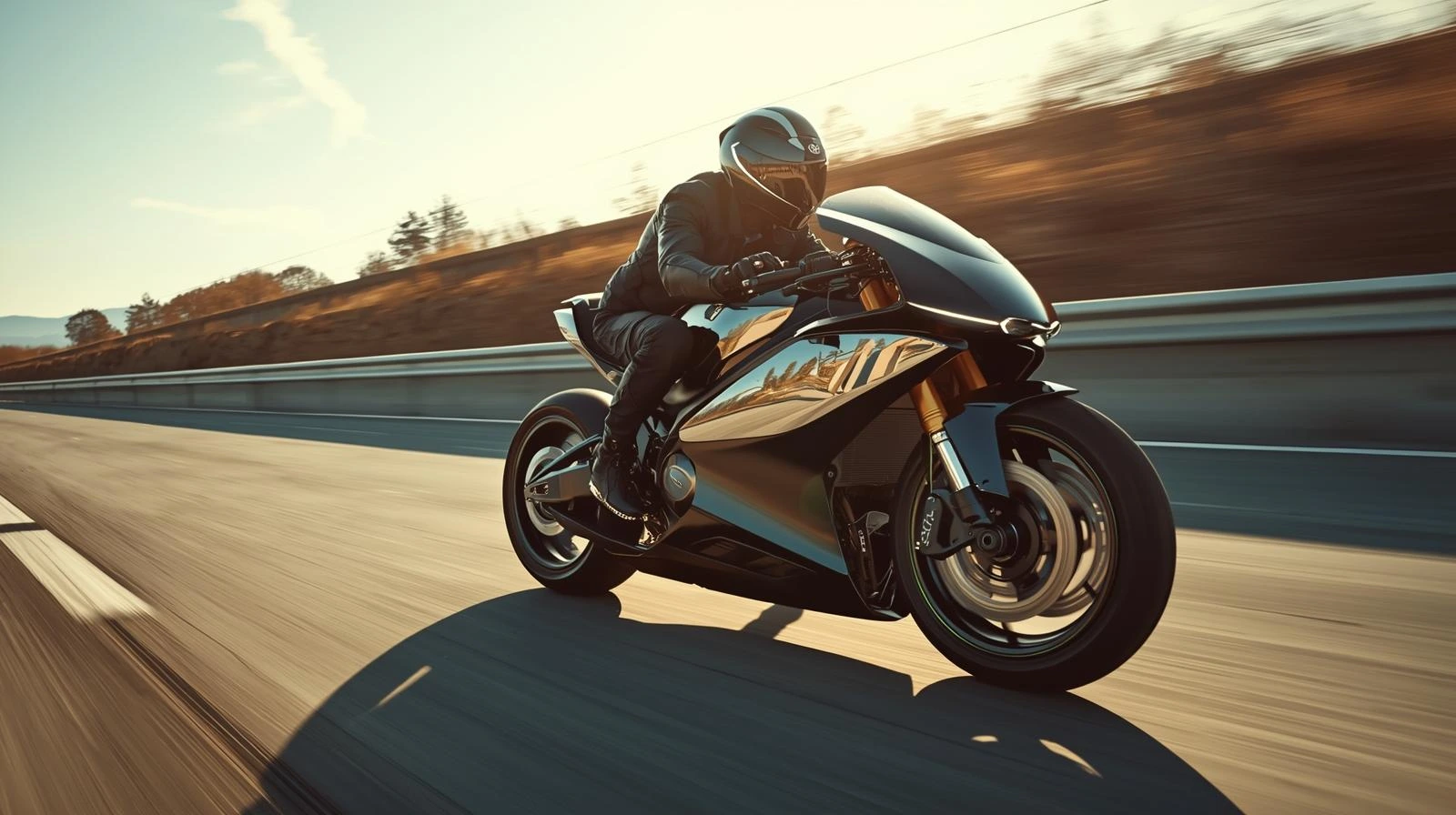
Fast electric motorcycles can now hit 0–60 mph in under 2 seconds, making them as quick as many supercars and significantly faster than most gasoline bikes in real‑world launches. For riders, this means instant torque, brutally quick acceleration, and a totally different performance experience compared with traditional motorcycles.
What “Fastest Electric Motorcycles 0–60” Means
When riders look for the fastest electric motorcycles 0–60, they want to know how quickly these bikes can accelerate from a standstill to 60 mph, which is a common benchmark for performance. This measure reflects real-world quickness out of stoplights and during highway merges. Electric motorcycles stand out because their motors produce peak torque instantly, making the launch experience exceptionally quick and thrilling compared to traditional gasoline bikes.
How 0–60 Times Are Tested for Electric Motorcycles
0–60 mph times are usually recorded on controlled surfaces with professional riders using precise timing equipment. Factors like traction, rider skill, and traction control systems influence the result. Additionally, the acceleration number depends on conditions such as road surface temperature and bike setup. Real-world riders may experience slightly slower times than those recorded in ideal tests.
Also Read: The Power and Luxury of the Lexus LC 500
Why Electric Motorcycles Accelerate So Quickly
Three main reasons explain why electric motorcycles can blast to 60 mph in record times:
- Electric motors deliver maximum torque from zero revolutions per minute (rpm), eliminating the need to build engine speed or slip a clutch.
- Most performance electric bikes use a single-speed gearbox, removing time lost during gear shifts.
- Advanced electronic aids like traction control optimize power delivery, preventing wheel spin and maximizing acceleration on launch.
This unique powertrain makeup produces a smooth, explosive takeoff unseen in traditional internal combustion motorcycles.
Top Fastest Electric Motorcycles 0–60 Times
Here is an overview of some of the fastest electric motorcycles currently available and their estimated or reported 0–60 mph times:
| Motorcycle Model | Approximate 0–60 Time | Top Speed (mph) | Notable Feature |
|---|---|---|---|
| Lightning LS-218 | Under 2.0 seconds | 218 | One of the quickest and fastest production bikes |
| XP Zero (custom build) | Around 1.6 seconds | 124 | Extreme torque, limited custom build |
| Verge TS Ultra | About 2.5 seconds | 124 | Hubless rear wheel motor design |
| Energica Ego+ RS | Around 2.6 seconds | 150 | Track-focused superbike with Italian design |
| Damon HyperSport | Under 3.0 seconds | 200 (target) | High-tech safety features with superbike power |
| Evoke 6061 GT | About 3.6 seconds | 124 | Long-range cruiser with strong launch power |
| Zero SR/F and DSR | 3.0 to 3.5 seconds | 120-124 | Mature brand with good balance of performance |
Some of these times come from factory claims or professional tests, and custom builds can push the limits even further. The Lightning LS-218 stands out as a benchmark for blistering all-around performance in production electric motorcycles.
Comparing Electric vs Gasoline Motorcycle Acceleration
Top-tier gasoline sportbikes typically reach 0–60 mph in the 2.5 to 3-second range, but electric bikes can out-accelerate many of these thanks to their instant torque delivery and seamless power application. The lack of clutch work and gear shifts lets electric motorcycles launch with fierce intensity, often making them feel faster and more accessible for quick bursts in city or highway settings.
Factors Influencing Electric Motorcycle 0–60 Performance
Multiple practical factors can affect the actual 0–60 performance riders experience:
- Tire Traction: Sticky, warm tires help convert power into forward momentum instead of wheelspin.
- Rider Weight and Position: Heavier riders or improper body position can slow acceleration or cause front wheel lift.
- Battery State: Power output can be reduced when batteries are cold, hot, or low to preserve longevity.
- Riding Modes: Eco or rain modes limit torque, while sport or track modes enable full acceleration potential.
Shoppers should treat published 0–60 times as ideal benchmarks, not guarantees.
Range, Charging, and Practical Usability
While high acceleration is thrilling, other factors influence real-world usability:
- Range: High-performance electric motorcycles often claim city ranges above 150 miles, but heavy throttle use and highway speeds reduce this.
- Charging: Most premium models support DC fast charging, getting from near empty to 80% in under an hour.
- Ergonomics: Superbike-style riding positions suit track days but can be tiring; upright sport-tourer designs offer more comfort.
A balanced approach is key for most buyers, weighing acceleration against range and charging convenience.
Safety Considerations for Extreme Acceleration
Given the extreme power and quick launch times, these motorcycles require experienced riders:
- Proper riding experience and skills are essential to handle high torque safely.
- Modern traction control, ABS, and power mode selection help manage acceleration on varying road conditions.
- Full protective gear is strongly recommended during aggressive acceleration.
Manufacturers stress responsible riding accompanied by training to avoid accidents.
Frequently Asked Questions
Which is the fastest electric motorcycle 0–60?
The Lightning LS-218 holds one of the fastest production electric motorcycles’ 0–60 times, clocking under 2 seconds in ideal conditions.
Are electric motorcycles faster than gasoline bikes 0–60?
Many high-end electric motorcycles can match or exceed the acceleration of superbike-class gasoline motorcycles mainly due to instant torque and no gear shifts.
What is the quickest street-legal electric bike available today?
Models like the Lightning LS-218, Verge TS Ultra, and Energica Ego+ RS offer top-tier 0–60 performance in street-legal form.
How important is 0–60 acceleration in choosing an electric motorcycle?
While thrilling, other factors such as range, charging infrastructure, and ergonomics are often more critical for daily riding needs.
Do fast electric motorcycles have good range?
Top performance electric bikes claim city ranges of 150+ miles, but aggressive riding reduces actual distance.
How much do the fastest electric motorcycles cost?
Premium electric superbikes generally cost as much as or more than gasoline superbikes, with more affordable models available for lower performance needs.
Are these bikes suitable for beginners?
Due to intense acceleration and power, fastest electric motorcycles are usually not recommended for novice riders.